How Paver Cleaning and Sand Reset Stop Weed Growth and Sinking Joints
Greenville’s warm summers, spring pollen, and sudden downpours create the perfect mix for grime buildup and loose joints in patios, walkways, and driveways. When you pair thorough paver cleaning with a proper sand reset using modern polymeric sand, you break the cycle that lets weeds sprout, and joints sink.
If you live near North Main, Augusta Road, Overbrook, Gower Estates, or Five Forks, you’ve seen how shade and humidity speed up algae and moss growth. That film holds moisture in the joints, weakens the base, and invites weeds. The right cleaning and sand reset approach restores strength and keeps the look you paid for.
Why Pavers Weaken in Greenville’s Climate
Our Upstate climate swings from steamy afternoons to cold winter nights that can flirt with freezing. Water settles into joints, and when temperatures dip, it expands and loosens the sand. Heavy summer storms wash that loosened sand out, leaving gaps where weeds take root and pavers start to wobble.
Neighborhood trees add another factor. Oaks and maples drop pollen and tannins that stain and make surfaces slick. Dust from nearby roadwork or construction can fill the texture of concrete and stone, locking in stains and moisture. Over time, this combination thins the joints and encourages settlement.
What Professional Paver Cleaning Really Removes
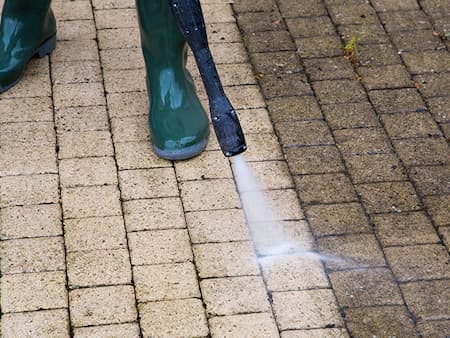
Professional cleaning is about more than a quick rinse. It targets the film, grit, and organics that block drainage and feed weeds. A trained technician knows how much pressure to use for concrete, brick, or stone so the surface is cleaned without scarring or opening the pores too wide.
- Algae, moss, and mildew that trap moisture and make pavers slippery
- Grease, tire marks, and rust that stain and heat up under sun exposure
- Pollen, dust, and soil that collect in micro-textures and joints
- Old joint sand that has broken down and won’t lock pavers in place
Never seal over dirty pavers; it locks in stains and moisture that can lead to faster damage. A clean, dry surface gives you a fresh starting point for the sand reset that follows.
Why Sand Reset With Polymeric Sand Matters
Once the surface is clean and dry, the next step is a joint refill with polymeric sand. This special blend includes fine sand and polymer binders. When it’s installed correctly and activated with water, it firms up to resist erosion, reduce washout, and help block weed germination.
Joint lines are the structure that keeps individual pavers from shifting under foot traffic, vehicles, and seasonal rain. Fresh, properly chosen polymeric sand fills each joint evenly, so loads are spread across the whole system instead of grinding on a few points. That’s the difference between a patio that stays level and one that slowly sinks along the edges.
Polymeric sand helps lock joints, discourage weeds, and improve drainage so your surface lasts longer. It’s a core part of quality paver restoration in Greenville, not an optional add-on.
How Cleaning and Sand Reset Work Together To Stop Weeds
Weeds need three things: light, moisture, and a place to anchor. Dirty, shallow joints give them all three. Deep cleaning removes the organic film, and the sand reset fills the gap they used to sprout. Without those gaps and nutrients, seeds can’t grab hold.
Picture a zipper. If half the teeth are missing, the zipper won’t hold. Cleaning restores the surface so the “teeth” of the system are visible, and the new sand is the sturdy coil that brings everything together again. With the system zipped up, seeds and runoff have fewer weak spots to exploit.
Preventing Sinking Joints and Sunken Edges
Sunken edges and low spots often start where joints have washed out or where water runs off a roofline and concentrates on one seam. By removing clogged debris and refilling joints with the right sand, you slow that washout and keep weight distributed across the full bed. That’s especially important at driveway aprons and along patios that border mulch beds.
In areas like Travelers Rest and Taylors, sloped lots add more water flow. A professional will watch these high-flow lines, adjust sand choice, and recommend simple drainage tweaks if needed. The aim is predictable runoff and tight, uniform joints that don’t collapse after the first big storm.
Timing Your Paver Restoration
Spring and fall are popular seasons because temperatures are mild and humidity is manageable. Spring cleaning clears heavy pollen before it bonds with summer heat, and a fall reset prepares joints for winter rain. If your pavers sit under heavy shade or near sprinklers, sooner is better so moisture doesn’t linger into colder nights.
Look at the calendar and local patterns. After leaf drop in late fall, tannins from oak leaves can stain quickly if they sit wet. A timely clean and reset means you aren’t battling stains all winter or re-leveling sections before holiday guests arrive.
Upstate leaf tannins and red clay can set fast on wet pavers. Plan cleaning and sand reset before peak leaf drop or right after a major storm to avoid stubborn staining and joint washout.
What To Expect From a Professional Service
A reputable team will assess your surface type, age, and drainage before starting. They’ll choose a cleaning method that lifts organics without etching, then allow full drying time before the sand reset so the polymer sets evenly. Finally, they’ll confirm that joints are filled to the right depth, especially along borders and steps where movement starts first.
You should also get care guidance tailored to your layout and sun exposure. For high-traffic driveways in Greer or along busy streets, the team may suggest a maintenance schedule that lines up with the heaviest pollen and storm seasons. That keeps joints locked and appearance consistent year-round.
How Long Results Last and Simple Maintenance Habits
Results vary with foot traffic, vehicles, shade, and storm intensity, but tight joints and a clean surface give you a longer window between restorative visits. Homeowners who keep leaves and soil off the surface, redirect downspouts, and avoid dragging planters across joints see the longest benefit. Think of your pavers like a roof: routine attention preserves the system.
- Watch for joints that look low or uneven along edges and drive entrances
- Clear organic debris after storms so moisture doesn’t sit in seams
- Note repeat weed spots; they often point to drainage or slope issues
Avoid using harsh chemicals or metal tools on pavers; they can scuff the surface and weaken joints over time. If you notice a wobble or a spot that keeps settling, a quick inspection can prevent a larger repair later.
Why Work With a Local Team That Understands Greenville
Local conditions matter. From the shade of mature trees along North Main to open sun near the Swamp Rabbit Trail, every setting changes how pavers wear. A team that knows our clay soils and sudden summer downpours will tailor the cleaning and sand reset to your layout and drainage, not just apply a one-size-fits-all approach.
When you want expert help from a local pressure washing company that understands the Upstate, Foothills Hydro Wash LLC is ready to step in. We match the right cleaning process to your material and install polymeric sand with the care that keeps joints even and firm.
See the Difference a Sand Reset Makes
Paver restoration in Greenville is about structure as much as looks. Clean surfaces shed water instead of soaking it up, and fresh polymeric sand redirects flow across the whole system. The result is a patio or driveway that feels solid underfoot, looks brighter, and stays that way longer.
If you’re noticing weeds popping up within weeks of pulling them, or if chair legs wobble on the patio, the joints are telling you they need attention. A combined cleaning and sand reset solves the cause rather than chasing symptoms, so you spend more weekends enjoying your space.
Ready To Protect Your Pavers?
Paver cleaning and a precise sand reset are the fastest path to a cleaner look and tighter joints that resist weeds and washout. Your patio, walkway, or driveway can feel new again without replacing the surface.
Let Foothills Hydro Wash LLC restore your pavers with a clean surface and a durable polymeric sand reset that resists weeds and sinking joints. Call us today at 864-660-9884 to schedule a visit and get your outdoor space back to its best.